
Understanding how AI agents and robots are rewriting the future of work isn’t some distant corporate problem you can ignore while focusing on quarterly numbers. It’s happening right now, in businesses smaller than yours, and if you’re not at least thinking about this, you’re already behind.
So yeah, if you’re lying awake at 3 AM wondering if some robot’s gonna steal your business model – good. That means you’re paying attention.
I’ve been watching this train coming down the tracks for years. And I’m gonna level with you. The panic-inducing headlines are mostly garbage. But the actual transformation? That’s real. Really real.
What’s Actually Happening With This AI and Robotics Stuff
Look, forget the Terminator nonsense. Machine learning and artificial intelligence aren’t about evil robots. They’re about handling the soul-crushing repetitive garbage that makes your best employees want to quit.
You know that employee who spends 15 hours a week manually entering data? Intelligent automation can handle that in minutes. Which means that employee can actually do something valuable, like figuring out why your best customers stopped buying or building relationships that grow your business.
Industrial automation and smart factories aren’t Amazon’s exclusive playground anymore. I’ve walked through small manufacturing shops running robotic process automation that would’ve cost millions five years ago.
Now? They’re using tech stacks that cost less than hiring another person.
The businesses crushing it right now understand how to build AI trust while actually implementing this stuff instead of talking about it in quarterly meetings that should’ve been emails.
The Human-Robot Thing Isn’t What You Think
Human-robot collaboration sounds like corporate buzzword bingo, but stay with me.
Cobots are collaborative robots that work alongside your people. They’re not replacing anyone. They’re handling the physically demanding stuff or mind-numbing repetitive tasks while humans do what humans are actually good at: thinking creatively, solving weird problems, reading people’s emotions.
I visited a small warehouse last month where autonomous systems track every piece of inventory automatically. The owner was terrified this meant firing people.
Know what happened? His team stopped doing inventory counts and started focusing on customer relationships. Revenue went up 40% in six months.
That’s workforce adaptation when you do it right. And businesses implementing AI-driven innovation get this: digital transformation means training your team to work with these systems, not against them.
Which means you need real upskilling and reskilling programs. Not some corporate training module that takes 90 minutes and teaches nothing. Real training that prepares people for jobs that literally didn’t exist when you started your business.

The Job Loss Panic (And Why It’s Mostly Wrong)
Okay, let’s talk about the elephant: technological unemployment.
Yes, some jobs will disappear. That’s true. It’s also been true of every major technological shift in human history. The printing press, the cotton gin, and the internet. People lost specific jobs every single time.
You know what else happened every single time? Way more jobs got created than destroyed.
But here’s what’s different now: the speed. Deep learning and neural networks are advancing faster than any previous technological revolution. The skill gap is widening quickly, and that’s where small businesses can either get crushed or dominate.
The companies winning right now are investing in continuous learning and career transition support. They’re helping people develop skills in data science, process optimization, and human-computer interaction. These are areas that complement the technology instead of competing with it.
Your employees who embrace professional development in these areas? They’re your future leaders. The ones who don’t? Well, that’s a different conversation.
Small Business Automation That Actually Makes Sense
Here’s what drives me crazy: everyone thinks industrial automation requires millions in investment. That was true in 2010. It’s complete nonsense now.
Cloud computing and Internet of Things tech have democratized access to automation software and intelligent systems that were previously Fortune 500 exclusive.
Look at small business AI automation processes that are running right now in businesses doing $500K annually. Workflow automation handles routine admin work. Business intelligence tools provide insights that used to require hiring an analytics team.
Smart technology like digital twins and predictive maintenance help you anticipate equipment failures before they happen. I’m talking real money saved with reduced downtime, lower repair costs, and longer equipment life.
Meanwhile, AI-enhanced quality control catches defects human eyes miss. Not sometimes. Consistently. Which means better products without adding labor costs or slowing production.
This isn’t theory. This is happening in real businesses run by people who sound exactly like you.
The Ethics Thing Everyone Ignores Until It Bites Them
AI ethics isn’t some philosophy class topic you can ignore. It’s real, it matters, and if you screw it up, you’re gonna pay for it.
Algorithmic bias, data privacy, and transparency in AI aren’t abstract concepts. They’re real concerns that’ll destroy your reputation if you implement intelligent automation without thinking through the implications.
I’ve seen businesses implement AI-powered customer service that accidentally discriminated against certain customer demographics. Not intentionally. They didn’t even realize it was happening until customers started complaining publicly.
AI accountability and fairness in AI need to inform every implementation decision. This isn’t regulatory theater. This is about building systems that won’t blow up in your face.
Your Team Needs to Learn This Stuff Yesterday
The future of work demands lifelong learning as a baseline. Not optional. Not nice-to-have. Required.
Digital literacy is no longer something only your IT person needs. Every single team member needs fundamental understanding of how AI agents operate and integrate with your workflows.
Does everyone need to become a data scientist? No. That’s ridiculous. But basic fluency with these systems? Absolutely non-negotiable.
Career advancement now involves understanding emerging tech like augmented reality, natural language processing, computer vision. Businesses investing in real workforce development are building competitive advantages that compound over time.
Competency building through actual training programs prepares your team for roles blending technical knowledge with uniquely human skills such as emotional intelligence, and creative problem-solving. This is the stuff computers still can’t touch.
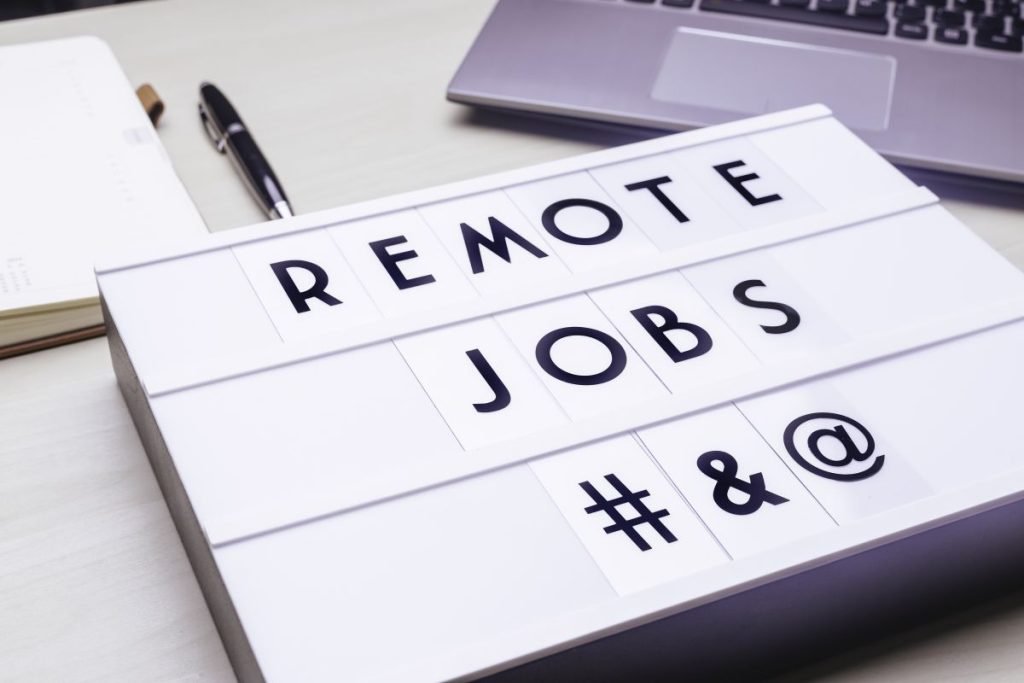
Remote Work and the Gig Economy Aren’t Going Away
Business process automation enables distributed teams to collaborate effectively. Enterprise automation handles coordination that used to require everyone in the same physical space.
The combination of intelligent automation and flexible work arrangements is reshaping the labor market. And whether you like it or not, remote work and the gig economy are permanent features now.
Which creates opportunities if you’re paying attention. Small businesses can access global talent while maintaining lean operations.
Understanding how to leverage autonomous business workflows while maintaining work-life balance for your team becomes crucial.
Industry 4.0 Without Spending a Million Dollars
Forget everything you’ve heard about needing massive budgets for cyber-physical systems or self-driving vehicles. Small businesses are successfully deploying intelligent agents and automation software by starting small and scaling strategically.
Start with high-impact, low-complexity implementations. Maybe AI for market research in your marketing department. Or AI-powered pricing strategies that optimize margins without guesswork.
Once your team sees results and understands the technology, expand to more complex applications. The key is matching technology to actual business needs instead of implementing AI because your competitor mentioned it at a networking event.
An AI assessment helps identify genuine opportunities where intelligent automation delivers measurable ROI instead of burning money on shiny objects.
Building an Organization That Won’t Get Steamrolled
Creating an organization ready for this transformation requires intentional cultural shifts alongside technical implementation.
You need environments where experimentation is encouraged and failure is treated as learning. Not punishment, not career suicide but actual learning opportunities.
Your tech stack should support current operations and future growth. Start with foundational tools that integrate with existing systems. Add specialized capabilities as needs evolve. Build resilient infrastructure that adapts as technology advances.
Workplace safety extends beyond physical environments now. Cybersecurity, data analytics security, and blockchain applications are protecting your business and customers. This requires understanding things most small business owners never had to think about before.

Here’s What Matters on How AI Agents and Robots Are Rewriting the Future of Work
The transformation is inevitable. Full stop.
The question isn’t whether AI agents and robots will change how work happens. That’s already decided. The question is whether your business will lead this change or scramble to catch up while your competitors eat your lunch.
Small businesses with clear strategies for integrating intelligent automation while investing in workforce development are positioning themselves for sustained competitive advantages. Not temporary wins. Long-term dominance.
This isn’t about choosing between humans and machines. Anyone framing it that way doesn’t understand what’s actually happening. It’s about creating environments where technology amplifies human capabilities while handling tasks that computers excel at.
Businesses that understand this distinction and implement accordingly will thrive regardless of how quickly this accelerates. And it’s accelerating fast.
The future belongs to organizations that see AI and robotics as tools for empowerment, that invest in reskilling as seriously as they invest in technology, and that approach digital transformation with both strategic vision and practical execution.
Not theory. Practice.
FAQs
Will AI and robots completely replace human workers?
No. Certain repetitive tasks will automate, but AI and robotics create new roles requiring human creativity, emotional intelligence, and complex problem-solving that machines can’t touch.
How can small businesses afford AI and robotics implementation?
Cloud-based solutions and scalable automation software have crushed entry costs. Many businesses start with targeted implementations in specific areas before expanding.
What skills should employees develop to remain relevant?
Digital literacy, continuous learning, adaptability, and skills that complement AI – critical thinking, relationship building, strategic decision-making.
How long does workforce adaptation typically take?
Varies by industry and implementation scope, but most businesses see meaningful adaptation within 6-12 months with proper training and leadership support.
What are the biggest risks of implementing AI and robotics?
Inadequate training, terrible change management, ignoring ethical considerations, and implementing technology without clear business objectives create the biggest problems.